
The psychology behind why we gamble Understanding the mind's allure to chance
The thrill of uncertainty
Gambling is often defined by the element of chance, which inherently creates a thrilling experience for participants. The uncertainty surrounding the outcome activates the brain’s reward system, releasing dopamine and creating feelings of excitement and anticipation. This is similar to the euphoric feeling people get from other high-risk activities, such as extreme sports. The unpredictability of gambling compels players to engage further, even when they might not logically intend to do so. For example, many players visit online platforms like https://eliteslotscasino.co.uk/ to experience this thrill firsthand.
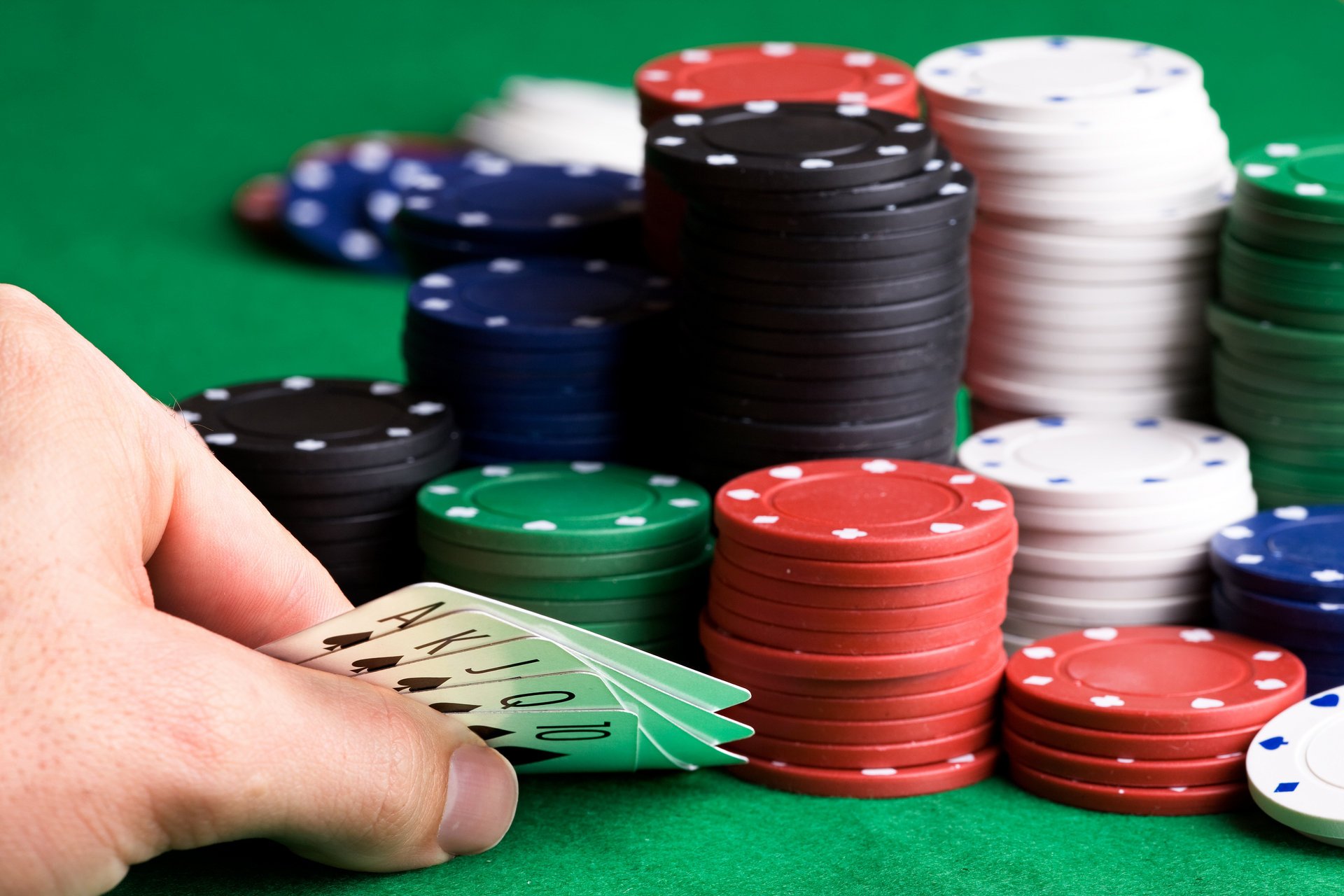
The notion of not knowing what lies ahead can be incredibly compelling. In fact, many gamblers find themselves drawn to games where the odds are stacked against them precisely because of the potential for a big win. This idea is often fueled by stories of individuals who achieved life-changing wins, creating a psychological narrative that is hard to resist. The allure of risk itself becomes a game, making even the most rational person consider the possibility of victory against all odds.
This thrill is further amplified by the environment of casinos, which are designed to evoke excitement and distraction. Lights, sounds, and the overall ambiance are meticulously curated to enhance feelings of euphoria and urgency. Consequently, gamblers may find it difficult to walk away, as each spin or card dealt intensifies the high-stakes thrill of potential fortune or loss. This captivating interplay of excitement and chance is pivotal in understanding why gambling continues to grip the human psyche.
The illusion of control
One psychological aspect of gambling is the concept of “illusion of control.” Many players believe that their decisions can influence outcomes, even in games that are purely chance-based. This leads gamblers to adopt strategies or rituals that they think will improve their odds, which can make the activity even more engaging. For instance, a player might believe that wearing a lucky charm or using a specific betting pattern will lead to success, even when the outcomes are genuinely random.
This illusion serves a dual purpose: it provides the gambler with a sense of agency and makes the experience more enjoyable. When individuals feel they have some control over the game, they are likely to continue gambling because it reinforces their belief in their own skill. The brain’s reward system is activated not just by wins but also by the perceived ability to affect outcomes, further entrenching players in the cycle of gambling.
Moreover, the illusion of control is enhanced by selective memory. Gamblers tend to remember their wins more than their losses, further perpetuating the belief that their actions can directly influence the game. This skewed perspective can create an addictive cycle, as each perceived success reinforces the gambler’s conviction, making it increasingly challenging to recognize the randomness of their experiences.
The social aspect of gambling
Gambling also thrives on social dynamics, influencing why individuals are drawn to the activity. Whether playing in a bustling casino or engaging in online platforms, the communal experience adds another layer of appeal. Social interactions can make gambling more enjoyable, allowing participants to share in each other’s successes and failures. This sense of community can create a powerful emotional bond, reinforcing players’ attachment to the activity.
Additionally, the camaraderie found in gambling can transform the act into a social event rather than merely a personal endeavor. Many people enjoy the communal aspects of games like poker or bingo, where strategy and interaction can lead to heightened excitement. The laughter, tension, and shared anticipation create an atmosphere that is hard to replicate in solitary activities, thus attracting more individuals to participate.
However, the social aspect can also contribute to problematic gambling behaviors. Peer pressure and the desire to fit in can lead individuals to gamble beyond their means or comfort levels. This societal dynamic amplifies the allure of gambling, making it a focal point of social interaction, which can mask the potential pitfalls. Understanding the social influences on gambling can help individuals navigate their experiences more cautiously.
The impact of marketing and environment
The environment in which gambling occurs plays a crucial role in attracting and retaining players. Casinos are designed with vibrant colors, inviting sounds, and even scents to create an atmosphere of excitement and adventure. These carefully crafted environments stimulate the senses and engage players on an emotional level, making them more likely to partake in gambling activities. The psychological effects of such stimuli can often override rational thought, leading to impulsive decisions.
Furthermore, marketing strategies employed by gambling establishments reinforce these psychological triggers. Promotions, bonuses, and loyalty rewards are all tailored to evoke a sense of urgency and exclusivity. The language used in advertisements often emphasizes winning, glamour, and lifestyle aspirations, which can further entice individuals. These marketing tactics play on both the thrill-seeking nature of human psychology and the desire for social status, making gambling even more appealing.
Additionally, the rise of online gambling platforms has transformed the landscape, allowing players to engage in gambling from the comfort of their homes. This convenience amplifies the potential for impulsive behavior, as it removes barriers and creates an environment where players can gamble at any hour. Online platforms often employ similar psychological strategies to casinos, utilizing graphics and sounds designed to keep players engaged. Thus, understanding these environmental factors is crucial in recognizing why gambling holds such a powerful grip on the human mind.

Exploring online gambling platforms
Online gambling has revolutionized the way individuals engage with chance-based activities. Platforms like Elite Slots Casino offer a broad range of games that cater to diverse preferences, from classic slot machines to table games. The ease of access and variety ensure that players can find something that resonates with their interests. This flexibility not only enhances enjoyment but also facilitates longer play sessions, further embedding gambling into their lifestyle.
The user-friendly interface and security measures of online casinos contribute significantly to the overall experience. Gamblers can navigate these platforms with ease, allowing for an engaging experience that minimizes frustration. Additionally, robust security features reassure players, enabling them to focus on the gaming rather than their concerns about safety. This combination of features makes online gambling an attractive option for many.
Moreover, the promotional bonuses and loyalty programs offered by online casinos provide added incentives for continued play. These promotions often appeal to the psychological desire for rewards and recognition, creating a sense of belonging and appreciation. As players accumulate benefits, they become increasingly invested in the platform, making it easier to overlook potential risks. This dynamic highlights the importance of understanding how online gambling platforms operate within the broader context of psychological attraction to chance.
